By Izunna Okafor, Awka
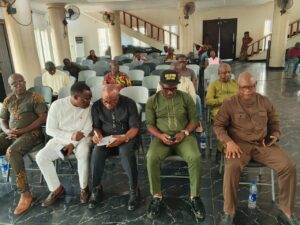
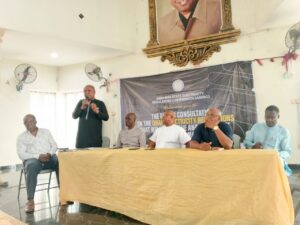
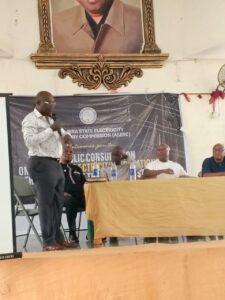
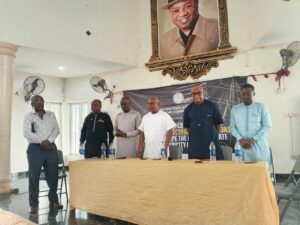
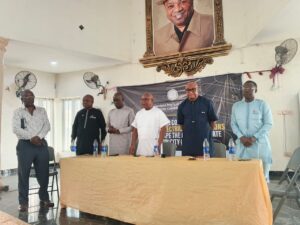
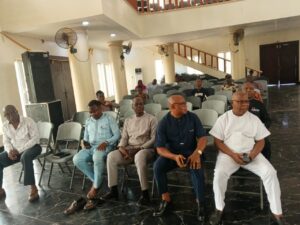
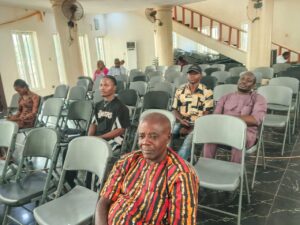
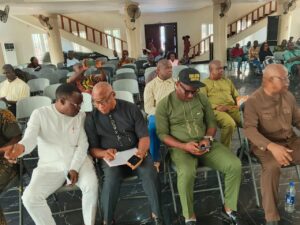
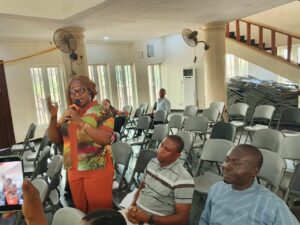
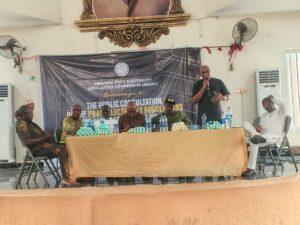
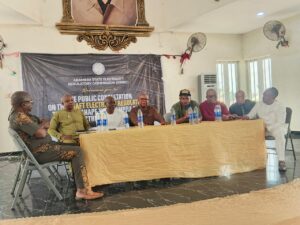
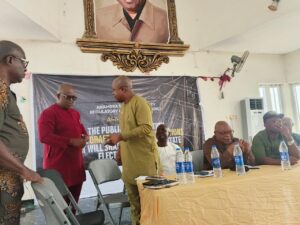
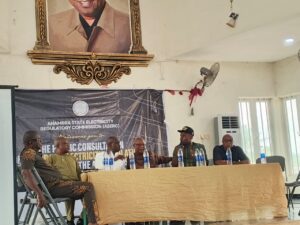
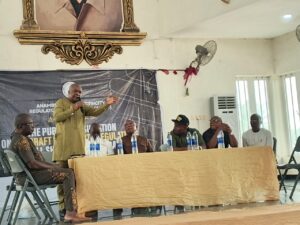
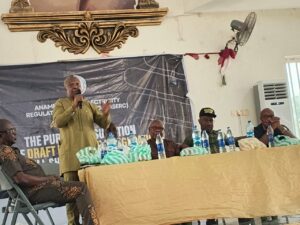
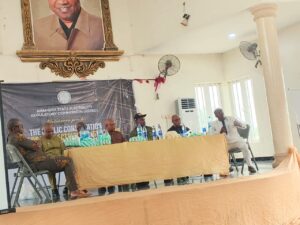
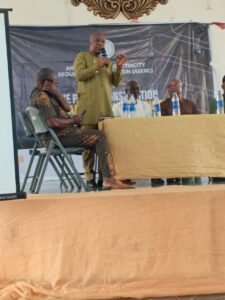
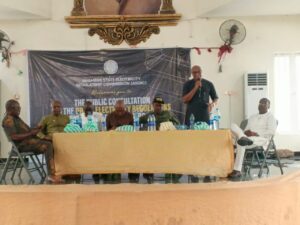
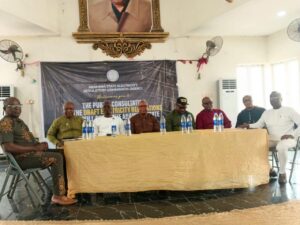
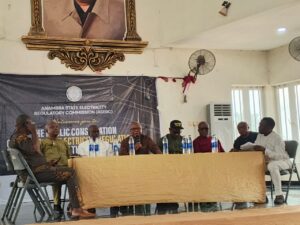
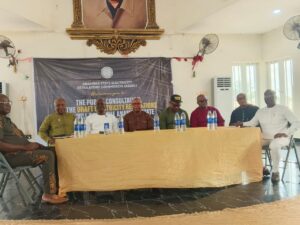
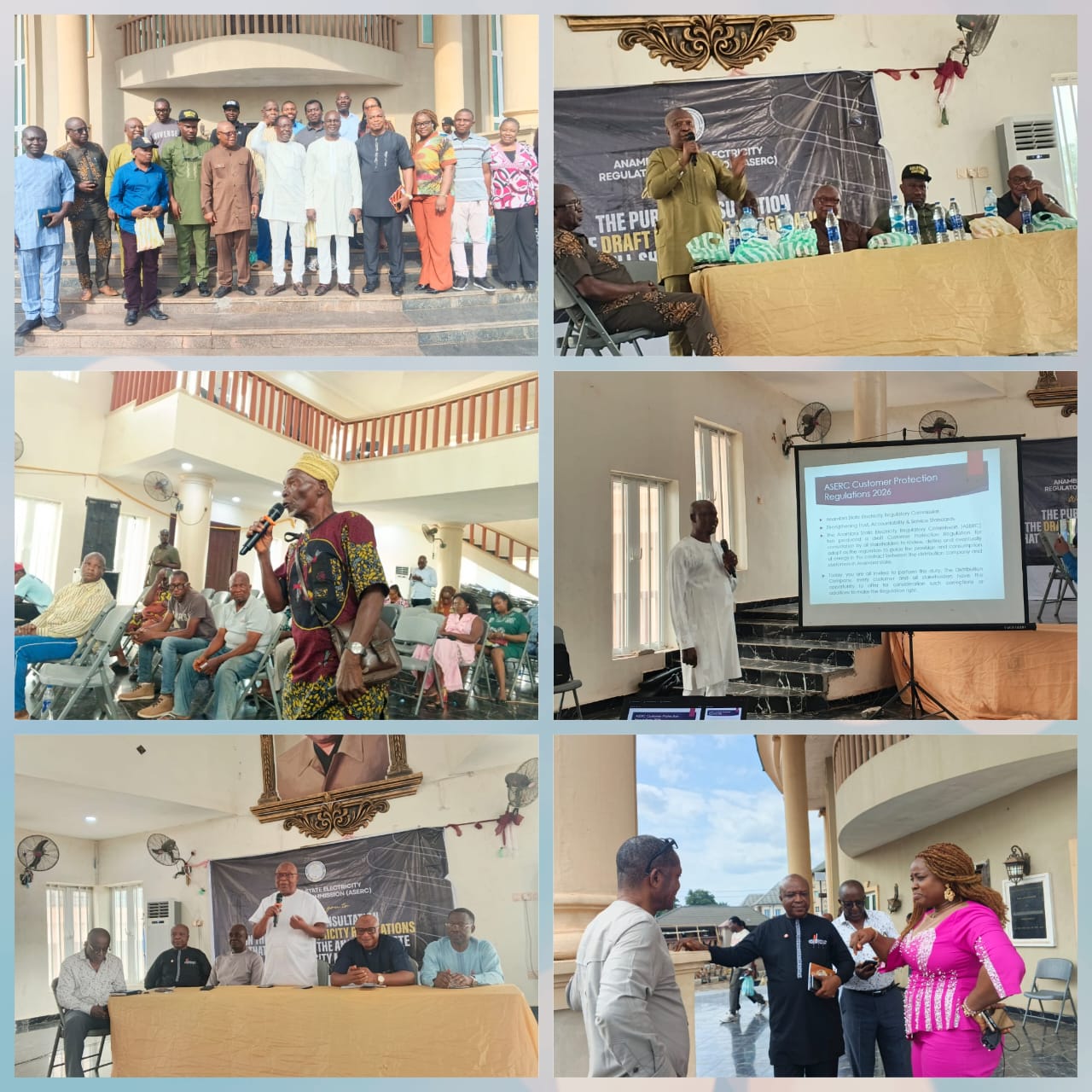
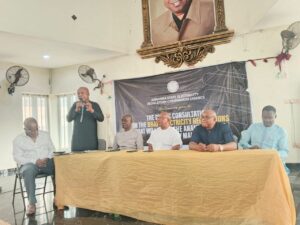
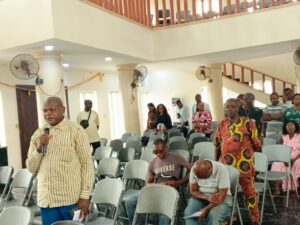
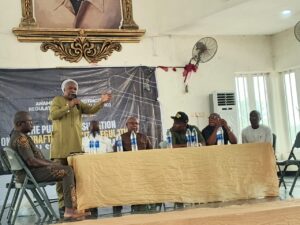
The drive to strengthen Anambra State’s evolving electricity market gathered further momentum in Nnewi as the Anambra State Electricity Regulatory Commission (ASERC) hosted another round of its ongoing public consultation on proposed electricity regulations, with the FirstPower Electricity Distribution Company Limited playing a prominent role at the engagement.
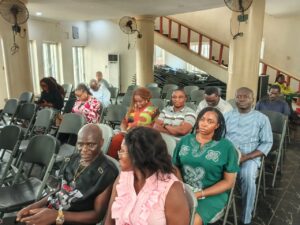
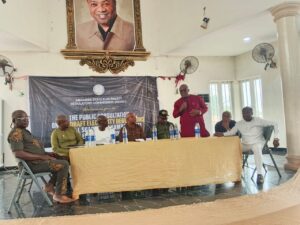
The 2-day interactive forum, which followed closely on the heels of similar consultations earlier held in Awka and Onitsha, provided a platform for stakeholders across the power sector to deliberate on the draft Customer Protection Regulations 2026, Licensing Regulations, and Investment Framework for the state’s electricity market.
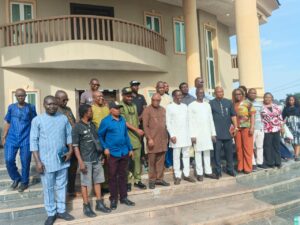
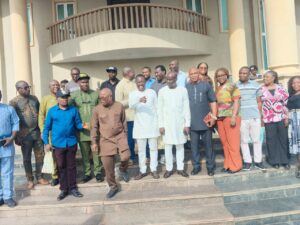
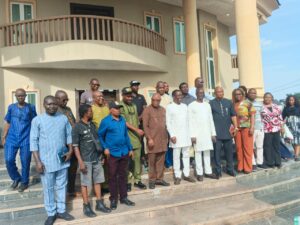
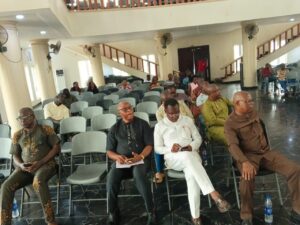
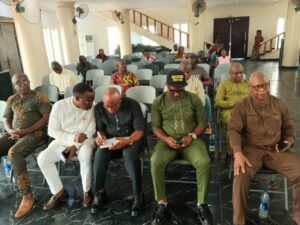
Again, the FirstPower was strongly represented at the two-day event by a high-powered delegation led by its Managing Director and Chief Executive Officer, Engr. Okechukwu Okafor. Other members of the team included the Chief Technical Officer of FirstPower, Dr. Emeka Egbujor; Chief Commercial Officer, Dr. Nnenna Obi; Head Customer Service, Mrs. Obianuju Okafor; Head Legal, Barr. Linda Onyishi; Head Business Intelligence Unit, Olabisi Odumosu; Head Regulatory, the District Business Manager for Nnewi District, Mr. Tochi Henry Osuchi; among other senior officials of the company.
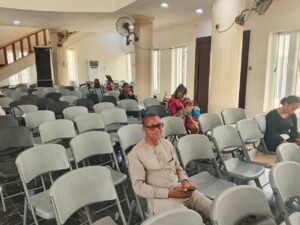
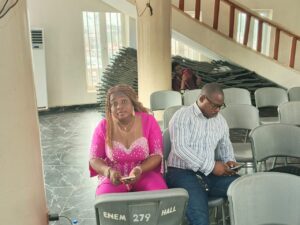
Speaking at the forum, the Member representing Ihiala Constituency in the Anambra State House of Assembly and Chairman, House Committee on Power, Hon. Golden Iloh, commended ASERC for the initiative, describing it as timely and people-oriented. He urged electricity consumers to take advantage of the platform to express their concerns and contribute meaningfully to policy formulation.
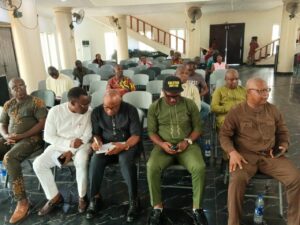
He further applauded the Commission for living up to expectations in engaging stakeholders, while also highlighting legislative efforts by the State Assembly to stabilize the electricity sector, including laws criminalizing meter bypass, illegal connections, and vandalism of power infrastructure.
Contributing his voice, the representative of the traditional ruler of Nnewi, Igwe Kenneth Orizu, Prince Obi Orizu, raised concerns over what he described as the persistent electricity challenges in Nnewi and its environs, particularly the slow pace of prepaid meter distribution and installation. He also proposed a flexible payment model that would allow customers to receive meters upfront and pay in installments over time.
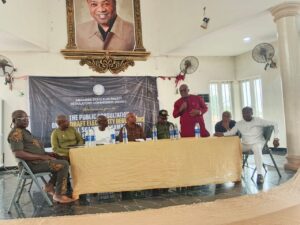
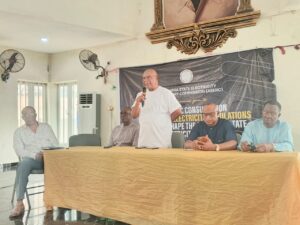
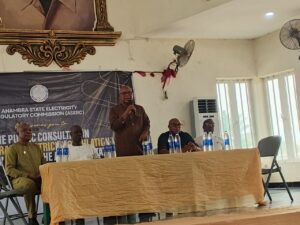
Earlier in his opening remarks, the Chairman and Managing Director of ASERC, Prof. Frank Okafor, said the consultation was organized to ensure that the proposed regulatory framework reflects the realities of the state’s evolving power sector, as well as the concerns of Ndị Anambra and the electricity providers. He emphasized that the Commission remains committed to transparency, inclusiveness, and due process, noting that the regulations would set clear standards for operators while also protecting the rights of consumers.
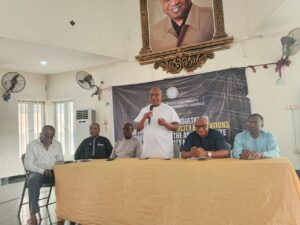
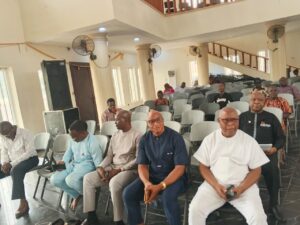
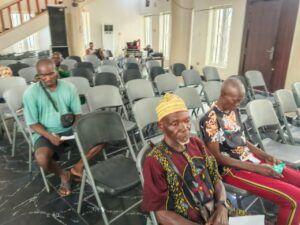
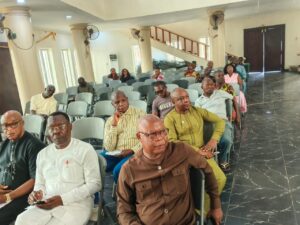
The ASERC Chairman expressed concerns over the level of participation at the Nnewi consultation, noting that many people often fail to engage during such impactful forums but would later resort to criticisms on social media. He harped on the need for Ndị Anambra and Ndị Igbo in general to always actively participate in policy discussions that directly affect them, to avoid crying had I known at last or looking for whom to blame.
Prof. Okafor also called for stronger collaboration between electricity distribution companies and customers, while also assuring that the Commission would enforce compliance with the Anambra State Electricity Law, 2025, and the proposed regulations upon their eventual adoption.
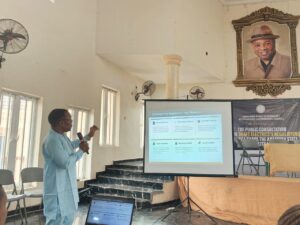
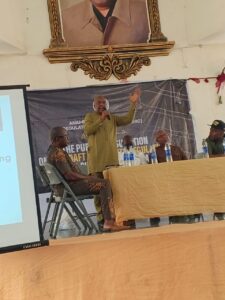
A key highlight of the day-one of the public consultation was the point-by-point presentation of the proposed regulatory framework by ASERC’s Executive Commissioner for Consumer Affairs, Planning, Regulation and Strategy, Engr. Nosike Emmanuel, who provided insights into the provisions of the draft regulations. His presentation covered critical areas such as customer protection, metering and billing standards, licensing requirements, connection and disconnection procedures, and timelines for service delivery and dispute resolution.
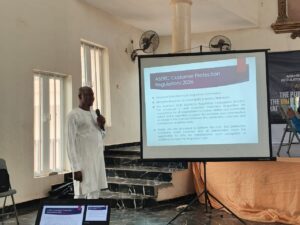
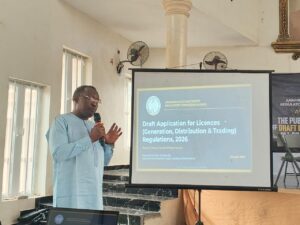
The day-two of the event also featured presentation on Draft Application for Licences Regulations by the ASERC Executive Commissioner in charge of Legal, Licensing, and Enforcement, Barr. Chijioke Nnaemeka Obi, who gave a comprehensive breakdown of the proposed licensing regime, outlined the categories of licences (generation, distribution, and trading) as well as the processes, conditions , and timelines involved in application, review, approval, renewal and extension of licences. He also highlighted the various grounds upon which a license can be suspended, cancelled, or withdrawn, as well as a the appeal processes and timelines.
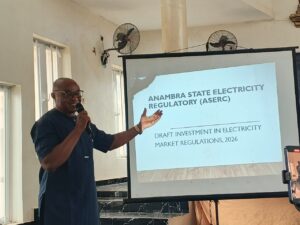
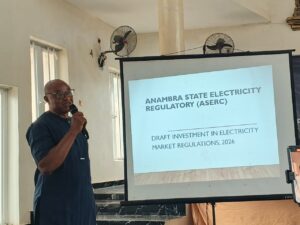
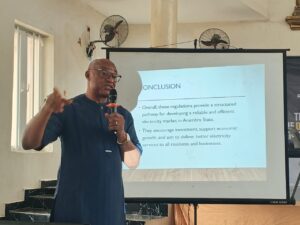
Similarly, the event featured a presentation on the Draft Investment in Electricity Market Regulations, by the ASERC Vice Chairman/Executive Commissioner in charge of Technical Regulations, Engr. Geoffrey Nwokoye, who highlighted and gave an overview of the various investment opportunities in the state’s electricity market, as well as the purpose of regulation of investment in the sector, the scope of the regulations, among other key aspects of the draft regulatory framework.
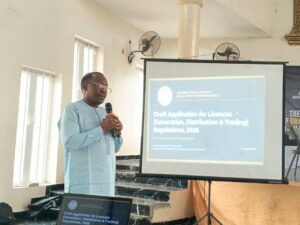
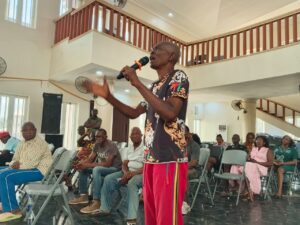
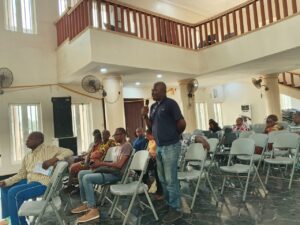
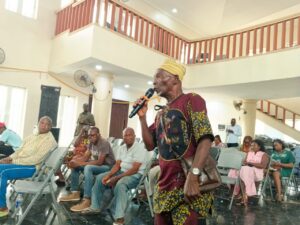
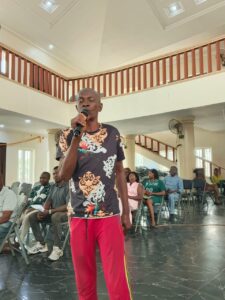
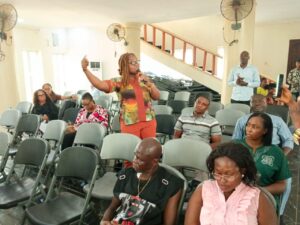
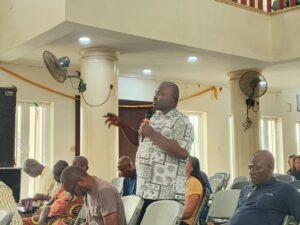
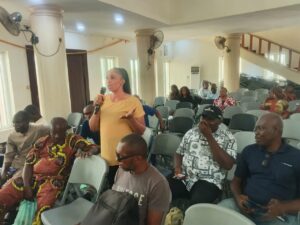
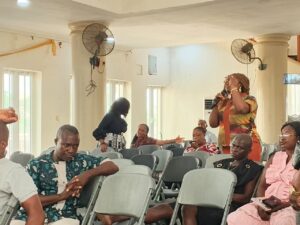
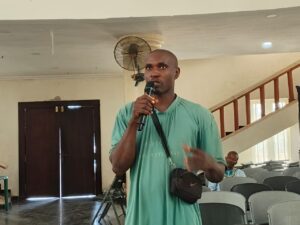
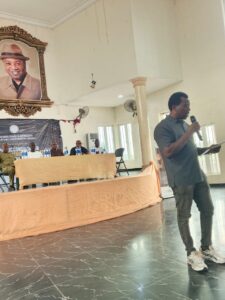
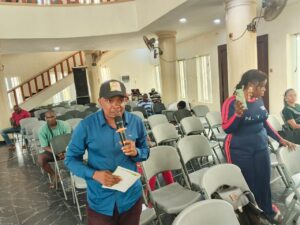
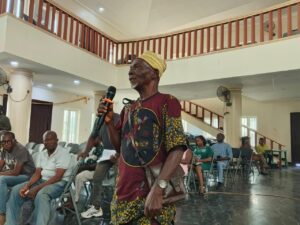
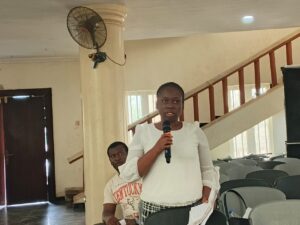
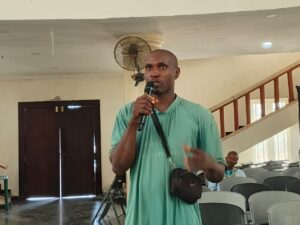
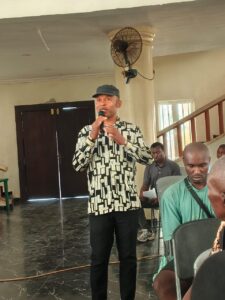
In their separate remarks and reactions at the event, some of the participants, including Mr. Nwachukwu Joseph, Azuka Anumba, Hon. TC Chukwujeme, and Mr. Onyebuchi Obiegbu of the Nnewi Chamber of Commerce, among others, actively contributed to the deliberations, offering suggestions and recommendations to improve the draft framework, while also raising concerns on issues bordering on billing, metering, power supply, and service responsiveness.
In his contributions, the MD/CEO of FirstPower Electricity Distribution Company Limited, Engr. Okechukwu Okafor, made key recommendations on the draft regulations, including the need to adopt more industry-appropriate terminology. He specifically suggested replacing the terms “tenants” and “landlords” with “customers,” emphasizing that electricity distribution companies interface with users primarily as customers regardless of their residential status. He also stressed the need for provisions that safeguard the interests of service providers as well as guarantee sustainability of the sector and a viable return on investment.
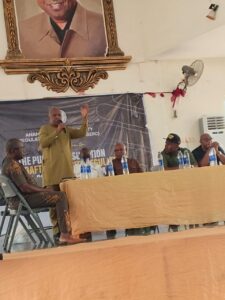
The MD also addressed key concerns relating to electricity supply, metering, estimated billing, and other related challenges and complaints raised by participants.
Concerning the recent drop in electricity supply, Engr. Okafor who reiterated that the situation was a nation-wide problem that resulted from a drop in power generation by GenCos, further highlighting the company’s ongoing interventions aimed at improving service delivery, including the ongoing plan towards starting an embedded power generation in the state, to augment what the state is getting from the national grid.
As part of the company’s measures towards addressing the issue of estimated billing in the state, the FirstPower MD revealed the establishment of its own meter lab in Onitsha with the production capacity of about 2,500 meters daily, to accelerate meter deployment to customers and close the metering gap across the state.
While urging customers to apply for prepaid metres, the MD also advised them to follow approved procedures to apply for meters or visit the nearest District office in their areas to enable timely and efficient response, processing and deployment.
Also addressed by the MD was the growing incidence of electricity theft in the state, even as he further decried the high rate of meter bypass, tampering, vandalism of power infrastructure, and non-payment for electricity consumed, while describing such trends as major setbacks to service improvement. He explained that such practices also result in significant operational losses and continue to undermine efforts to provide stable and reliable electricity supply; even as he called for stronger collaboration with stakeholders, including communities, security agencies, and the media, to curb the menace.
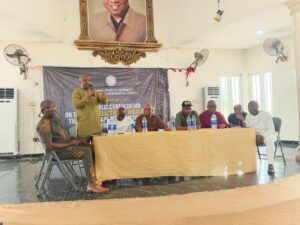
Providing further technical insight, the Assistant General Manager of the Transmission Company of Nigeria in Onitsha, Engr. Ifeanyi Okonkwo, explained that another key challenge that undermines the efforts to improve quality of power supply in Nnewi, Ihiala, Okija and environs is partly linked to issues surrounding the ongoing construction of a new substation in the area, which when completed, will guarantee more stable supply within the area. According to him, issues linked to creation of right-of-way and the compensation of the affected property owners slowed down progress and speed of the project, which though is currently nearing completion.
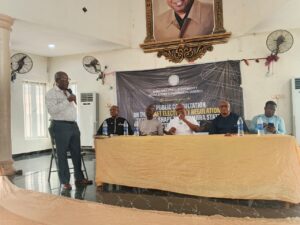
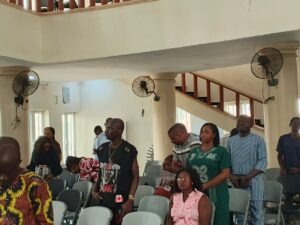
Among other highlights and impacts, the public consultation was climaxed by the extensive interactive sessions, featuring questions and answers, review and inputs submissions for the draft regulations, all aimed at refining them and ensuring they align with the needs and interest of both consumers and service providers.
More photos from the event: