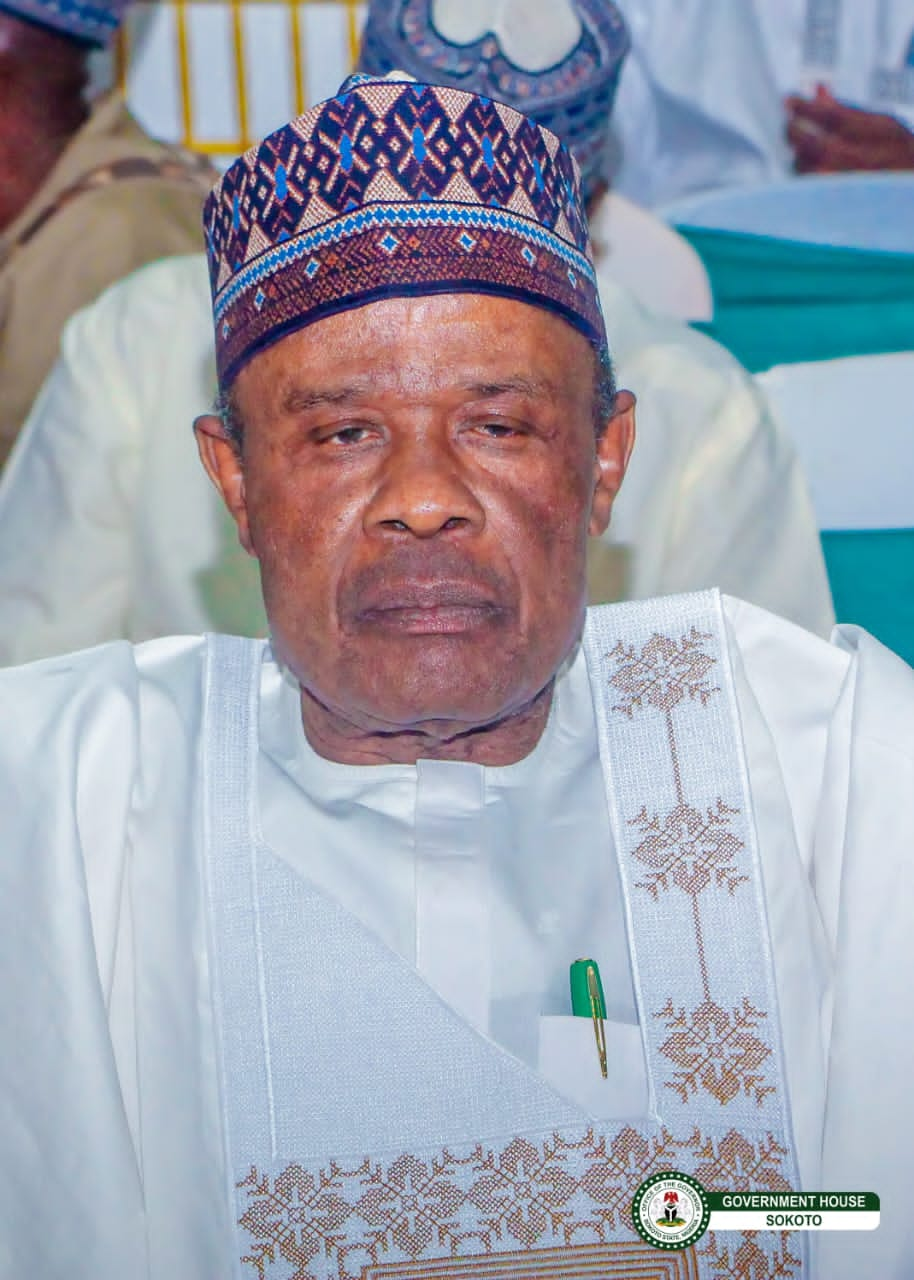
The Chairman of Sokoto State Universal Basic Education Board (UBEB), Alhaji Na Gwari Tambuwal, is advocating for the Sokoto State Government to reduce funding for higher institutions and redirect it to basic education.
He noted that investing sufficient funds in basic education is a practice adopted by some developed countries, such as those in Europe, England, and America, to achieve better academic results.
The UBEB is focusing on improving basic education due to its significance in the educational career of numerous children.
To achieve this, a network cable has been established at the state UBEB headquarters to engage critical stakeholders globally and provide a platform for advice and suggestions.
Na Gwari expressed optimism that funding basic education is fundamental, as a solid foundation in basic education enables students to secure admission to any university worldwide without assistance.
He emphasized that basic education is the foundation and key to successful pursuits.
The chairman highlighted the need for educational transformation in technology to compete with modern teaching methods and standards.
The board has adopted a new teaching method, using the mother tongue to teach pupils in primary one to three, enabling them to pronounce words, read, and identify numbers.
Na Gwari stated that the board has collaborated with Plan International to implement this new teaching strategy.
The results have shown an improvement in the reading ability and knowledge acquisition of pupils.
This development is attributed to the children’s ability to identify, understand sounds, count figures, and construct sentences.
The chairman acknowledged that such teaching methods require extensive training and retraining.
Currently, the board has 27,000 teachers on its payroll, with 8,000 trained in collaboration with BEC.
However, the state still faces a challenge with 41 children per teacher, contrary to the international standard of 21 pupils per teacher.
This gap necessitates the recruitment of more teachers to achieve the desired ratio.
Echezona Okafor.