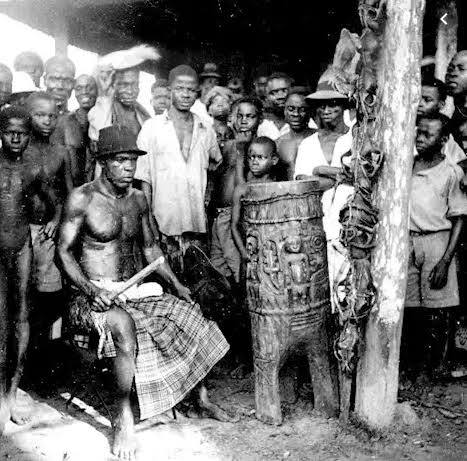
The Igbo people have a rich and vibrant tradition of storytelling, passed down through generations in the form of oral folklore. These tales are not merely entertainment but serve as a means of preserving cultural heritage, conveying moral lessons, and connecting individuals to their roots.
Igbo folklore encompasses a wide range of stories, including myths, legends, fables, and proverbs. These narratives are typically shared during communal gatherings, such as moonlit nights or around the warmth of a bonfire. The oral tradition of storytelling allows for a dynamic and interactive experience, where the storyteller engages the audience, capturing their imagination and creating a sense of unity.
One of the key reasons for preserving Igbo oral traditions is the transmission of cultural knowledge. Through folklore, the customs, beliefs, and values of the Igbo people are conveyed from one generation to the next. These stories provide insights into the history, traditions, and worldview of the Igbo community, fostering a sense of identity and belonging.
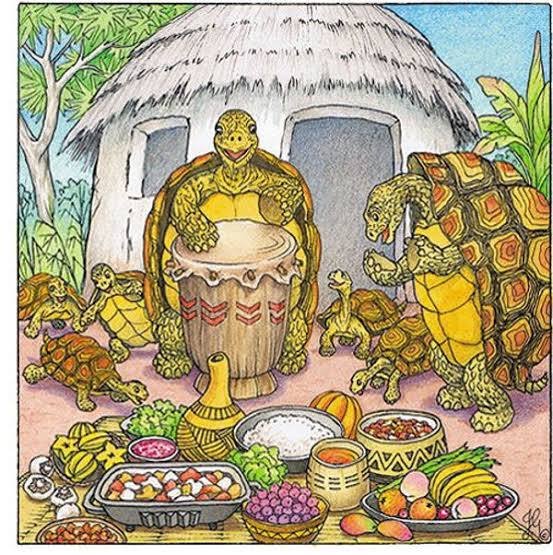
Moreover, Igbo folklore serves as a moral compass, teaching valuable life lessons and ethical values. Many Igbo folktales feature characters who embody virtues such as bravery, honesty, and perseverance. These stories offer guidance on how to navigate life’s challenges, make wise decisions, and treat others with respect. By preserving these oral traditions, the Igbo community ensures that these moral teachings continue to shape the character and behavior of future generations.
Another significant aspect of Igbo folklore is its role in entertainment and cultural expression. The stories are often infused with humor, wit, and creativity, captivating listeners of all ages. Through folktales, the Igbo people celebrate their cultural diversity, showcasing different dialects, traditional attire, and musical rhythms. This form of cultural expression fosters a sense of pride and unity within the community.
Furthermore, the preservation of Igbo oral traditions contributes to the understanding and appreciation of the Igbo language itself. The stories are primarily passed down in Igbo, helping to maintain the richness and complexity of the language. By engaging with these tales, younger generations can develop a deeper connection to their mother tongue, ensuring its continued vitality.
In today’s rapidly changing world, the preservation of Igbo oral traditions faces challenges. Modern technologies and the influence of globalized media can overshadow the significance of these stories.