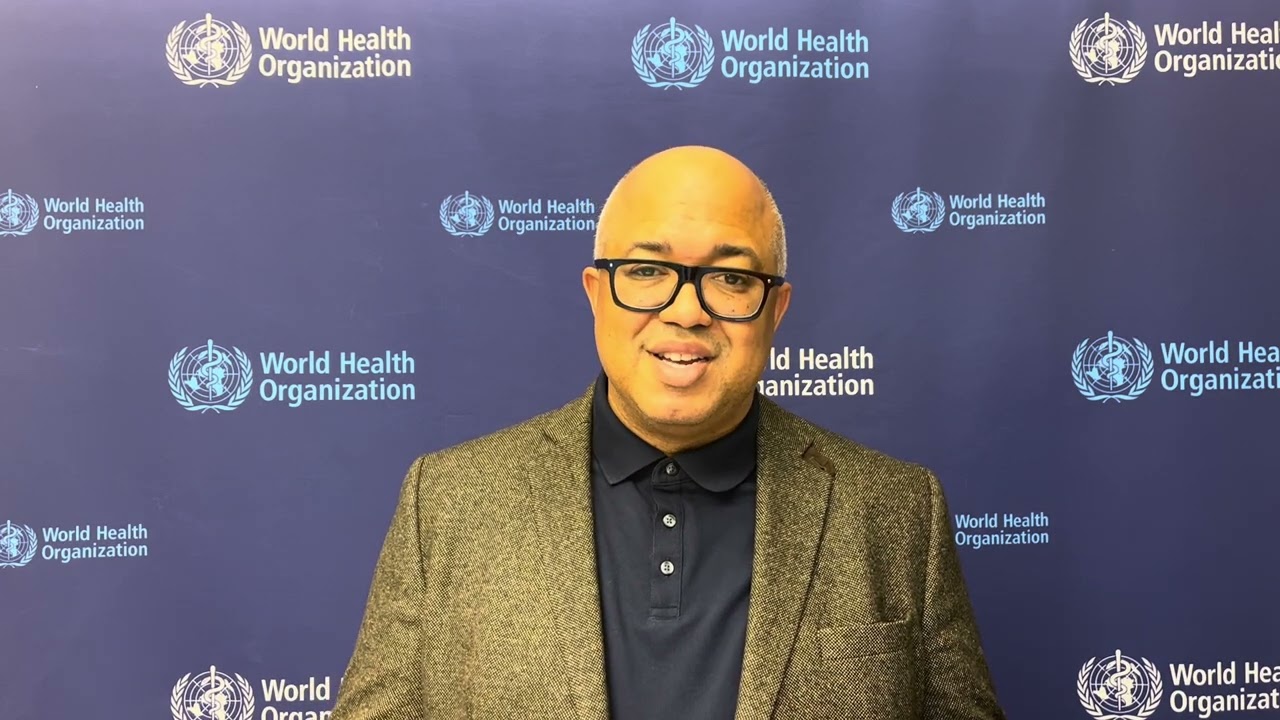
Acting WHO Regional Director for Africa, Dr Chikwe Ihekweazu has urged African governments, international organisations, and communities to prioritise nursing as a central component of healthcare development.
In a message to mark the International Nurses Day 2025, Dr Ihekweazu said African countries must move beyond words to action.
This year’s theme, ‘Our Nurses. Our Future, Caring for Nurses Strengthens Health Systems and Economies”, reminds us that supporting nurses is key to building resilient, equitable and thriving health systems.
According to Ihekweazu, the International Nurses Day 2025 is a moment to reflect not only on the incredible work nurses do every day but also on the urgent need to support and empower them.
Nurses should be properly trained, respected, protected, and given the tools and resources to lead and innovate.
He said, “Nurses are not only caregivers; they are educators, innovators, and frontline responders who often work in the most challenging, resource-limited, and crisis-affected areas. Their role extends far beyond bedside care; they are essential in shaping the future of healthcare.
The acting WHO regional director for Africa, “The future of nursing is not just a matter of addressing workforce shortages; it is about recognising the central role that nurses play in shaping a healthier, more equitable world.
Ihekweazu stated that the development underscores profound impact of nursing on global health systems and outlines a clear path for advancing the profession, with a particular focus on the African region where significant progress has already been made but further action is required to meet growing healthcare demands.
The State of the World’s Nursing Report 2025 offers a clear and urgent call to action. While the global nursing workforce has grown to 29.8 million, up from about 28 million in 2018, this progress conceals dangerous inequities as nearly 80 per cent of nurses serve only 49 per cent of the world’s population.
In the African Region, recent investments in nursing education and training are yielding results. He said the number of nurses has nearly doubled, from 900,000 in 2018 to 1.7 million in 2023, increasing the nurse-to-population ratio from 8.7 to 14.1 per 1,000,000 people. Yet this remains one of the lowest ratios globally, and more than tenfold lower than in high-income countries.
Nurses account for 66 per cent of the region’s projected shortfall of 6.1 million health workers by 2030. This shortage limits access to essential services, from maternal and child health to chronic disease care, and slows progress towards universal health coverage (UHC).
At the same time, while 43 per cent of our nursing workforce is under the age of 35, many lack access to mentorship or clear career pathways. High-income countries continue to recruit nurses from lower-income settings, with foreign-born nurses comprising nearly a quarter of their nursing workforce. In our region, 42 per cent of nurses also report an intention to emigrate, an alarming trend that risks draining critical talent and undermining our most fragile systems.
Echezona Okafor.