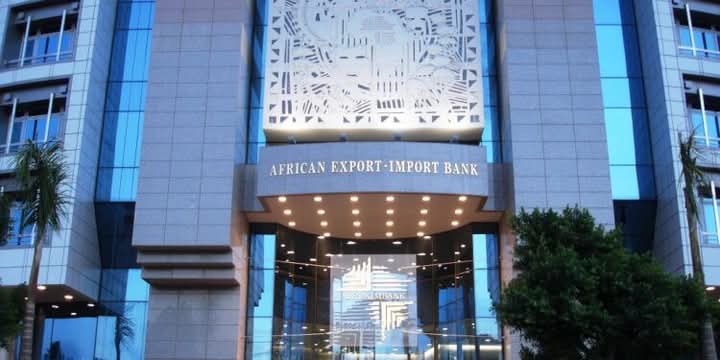
The African Export-Import Bank (Afreximbank) has rolled out a robust $300 million export manufacturing initiative across Cross River, Imo, Enugu, and Kano States, aimed at driving industrial growth and strengthening Nigeria’s non-oil export capacity.
The announcement was made by Afreximbank President, Prof. Benedict Oramah, during the inauguration of the Afreximbank African Trade Centre (AATC) in Abuja. He revealed that the development will be executed in collaboration with Arise Integrated Industrial Platform, a strategic investee company of the bank.
According to Prof. Oramah, this initiative is a key component of Afreximbank’s broader industrialisation agenda. It is designed to bolster regional manufacturing, empower small and medium-sized enterprises (SMEs), and create logistics and production hubs that cater to both regional and global markets.
“Projects worth over $300 million will be executed to scale up export manufacturing, with dedicated special economic zones in Cross River, Imo, Enugu, and Kano,” Oramah confirmed, noting that a similar initiative is already active in Ogun State.
Over the last decade, Afreximbank has injected more than $50 billion into Nigeria’s economy, supporting sectors such as healthcare, manufacturing, energy, infrastructure, transportation, and financial services. Of this, $19 billion was channelled into the financial sector alone, significantly boosting its capacity and reach.
In the healthcare sector, Afreximbank is preparing to launch a $750 million African Medical Centre of Excellence (AMCE) in Abuja by June. The 500-bed quaternary facility will offer advanced treatment in oncology, cardiology, and haematology—minimising the need for outbound medical tourism.
To further support Nigeria’s export quality and competitiveness, the bank has operationalised the African Quality Assurance Centre (AQAC) in Ogun State, offering vital testing and certification services. Similar centres are currently under construction in Imo and Kaduna States.
In another landmark move, Nigeria was chosen in 2024 to host the Africa Energy Bank—a joint venture by Afreximbank and the African Petroleum Producers’ Organisation (APPO). The bank will serve as a financing hub for oil, gas, and renewable energy ventures across Africa.
Afreximbank’s impact on Nigeria’s industrial landscape also includes an increase in refining capacity to 1.2 million barrels per day and a surge in urea fertiliser production from less than four million tonnes in 2019 to 7.5 million tonnes annually—projected to hit 11 million tonnes by 2027, driven by the expansion of the Dangote Petrochemical Company.
Additionally, Afreximbank has launched a $200 million financing facility dedicated to Nigeria’s creative industry, in partnership with the Federal Ministry of Culture and Creative Industry. The fund is tailored to provide credit access, skill development, and international exposure for creative talents.
Prof. Oramah praised the Nigerian government’s unwavering support over the years, which has played a pivotal role in enabling the bank to deliver transformational development projects across the country.